


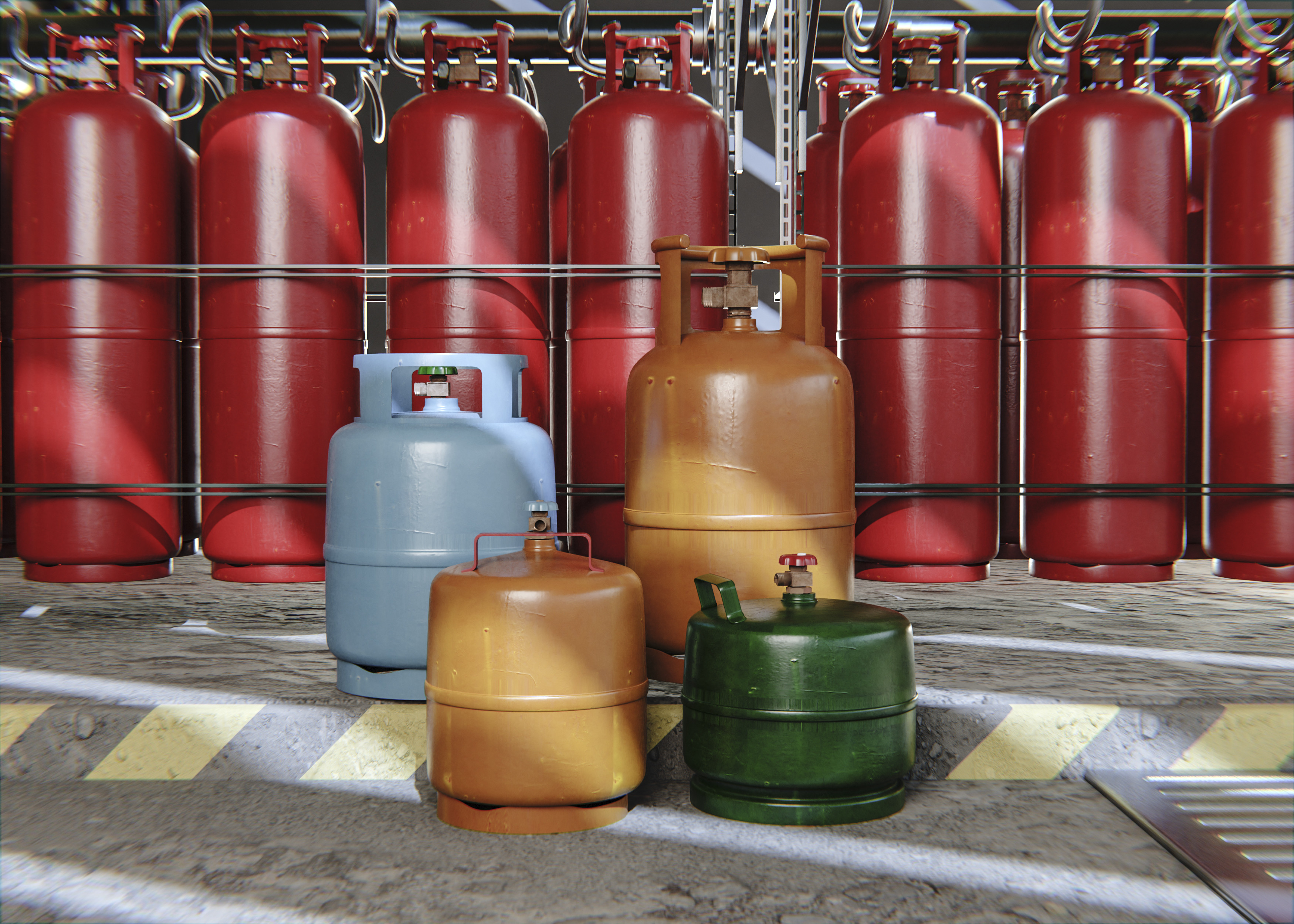
Primus Partners, in its PoV, highlights that India’s LPG crisis reflects a structural exposure to geopolitical disruptions. A large share of LPG imports moves through the Strait of Hormuz. With over 300 million households dependent on LPG and nearly 60% import reliance, recent disruptions have triggered supply shortages, price increases, and inflationary spillovers across households, MSMEs, and industry.
The PoV notes that although the LPG ecosystem is operationally efficient, it lacks strategic reserves and supply diversification, with commercial stocks covering less than two days of national consumption. Short-term measures such as prioritised allocation and higher domestic output have supported stability. However, gaps remain in storage, fuel compatibility, and reliance on external supply chains.
The PoV emphasises the need to strengthen resilience through diversification beyond Hormuz, expansion of PNG networks, scaling domestic biogas, and strengthening east coast infrastructure, along with activating alternative supply corridors to manage near-term disruptions.
Further, for a Viksit Bharat@2047, it is critical to build integrated energy systems that combine renewable energy with long-duration storage, enabling reliable, round-the-clock clean power while reducing structural import dependence.