


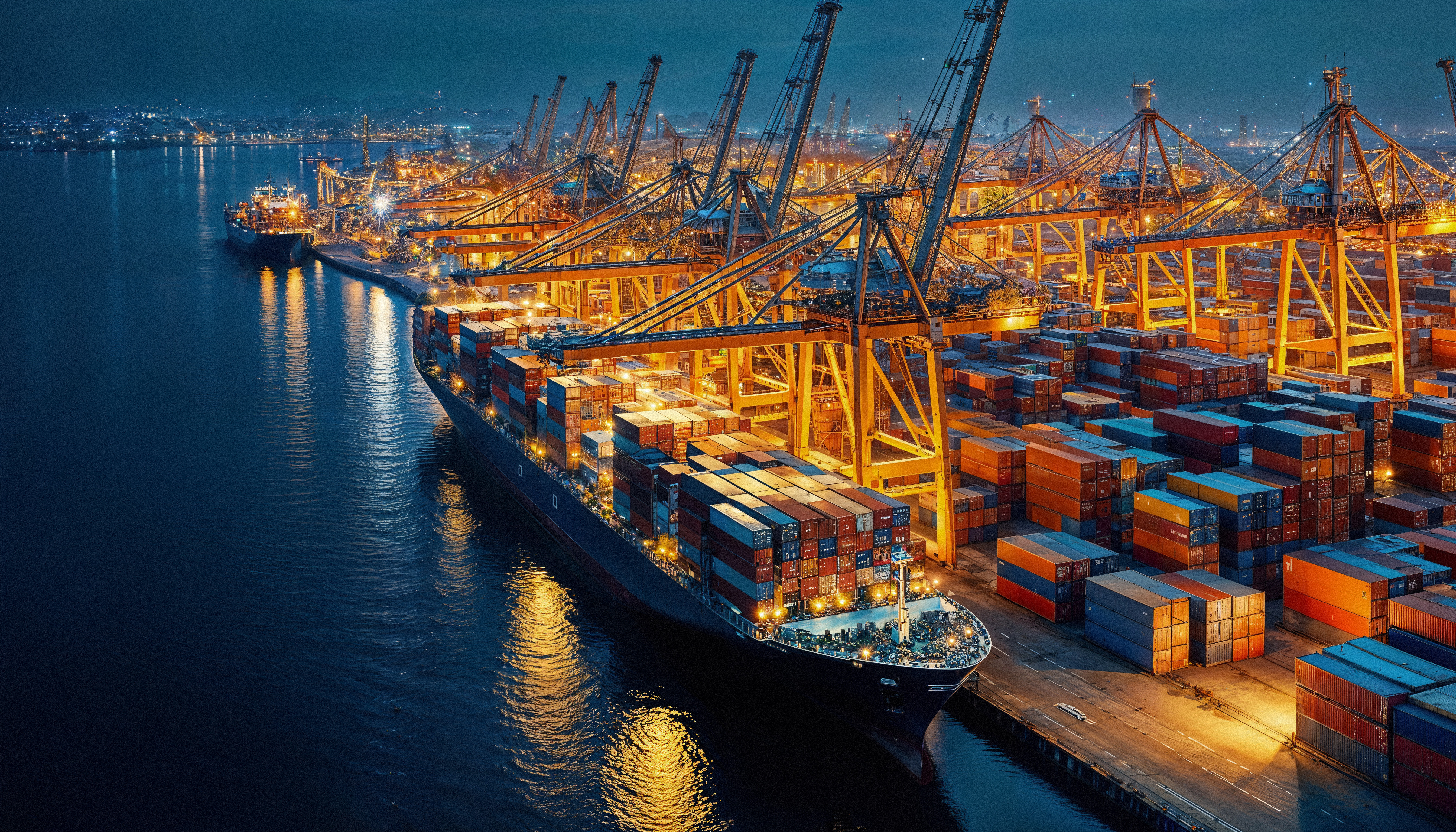
India’s maritime growth depends not only on expanding port capacity but also on maintaining adequate navigational depth and ensuring efficient vessel movement. This thought leadership examines the role of dredging in improving vessel draft, cargo-carrying capacity, port efficiency and turnaround time. It highlights how delays in approvals for specialised foreign dredging vessels can affect the timely execution of dredging projects, potentially increasing logistics costs and limiting port capacity. The report estimates that such inefficiencies could add up to ₹4,000 crore to India’s logistics costs, while recognising the current need for specialised foreign dredging capacity where domestic capabilities are limited.
The report proposes a two-track approach: faster and more predictable regulatory clearances for specialised foreign dredging vessels in the near term, alongside the development of a stronger domestic dredging ecosystem in the long term. It outlines measures such as coordinated approvals, standardised documentation, digital workflows and improved monitoring, while highlighting a potential ₹20,000 crore strategic opportunity for domestic dredger manufacturing. The objective is to address immediate port infrastructure requirements while progressively building India’s indigenous dredging and maritime manufacturing capabilities.